
 By
By 
Tooth pain does not always follow a schedule. It can start late at night, during a weekend, or right before an important event. When that happens, many patients ask the same question: is this a true dental emergency, or can it wait?
Understanding what qualifies as a dental emergency helps you act quickly when needed and avoid unnecessary delays in care. Some issues require same-day attention, while others can safely wait a short time with proper guidance.
This practical guide explains what counts as a dental emergency and what steps to take.
What Is Considered a Dental Emergency?
A dental emergency typically involves:
- severe pain that does not improve
- uncontrolled bleeding
- infection or swelling
- trauma to the teeth or jaw
- a knocked out or loose permanent tooth
If a condition threatens your oral health, causes significant discomfort, or risks permanent damage, it likely requires urgent attention.
If you are unsure, contacting a provider that offers emergency dental care options can help you decide on the next steps.
Severe Tooth Pain That Does Not Go Away
Mild sensitivity after eating something cold or sweet may not be urgent. However, persistent or severe tooth pain is different.
You should seek prompt care if:
- pain keeps you awake at night
- chewing causes sharp discomfort
- the pain radiates to your jaw or ear
- over-the-counter medication does not help
Severe tooth pain can signal infection, deep decay, or an abscess. Left untreated, these conditions may worsen over time.
A Knocked-Out Tooth
A knocked-out permanent tooth is one of the most time-sensitive dental situations.
If this happens:
- pick up the tooth by the crown, not the root
- rinse gently if dirty, without scrubbing
- try to place it back in the socket if possible
- if not, store it in milk or saliva
- seek immediate dental care
Acting within 30 to 60 minutes can significantly improve the chances of saving the tooth.
Swelling or Signs of Infection
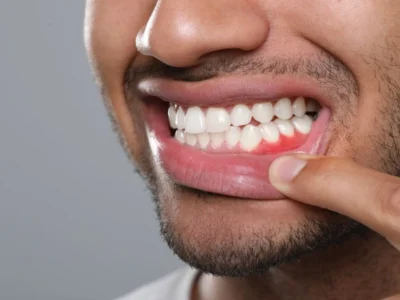
Facial swelling, gum swelling, or a pimple-like bump on the gums can indicate infection.
Other warning signs include:
- fever
- a bad taste in the mouth
- difficulty swallowing
- difficulty breathing
Dental infections should not be ignored. In rare cases, they can spread beyond the mouth and require more complex care.
Cracked, Broken, or Fractured Teeth
Not every chipped tooth is an emergency. Small chips that do not cause pain may be repaired at a scheduled visit.
However, prompt care is recommended if:
- a large portion of the tooth breaks off
- the inner layer of the tooth is exposed
- there is significant pain
- the tooth feels loose after trauma
Early evaluation helps protect the tooth and prevent further damage.
Uncontrolled Bleeding After Injury or Procedure
Some minor bleeding after dental work can be normal. However, bleeding that continues for an extended period or becomes heavy requires attention.
If gentle pressure with clean gauze does not control bleeding within 15 to 20 minutes, it is best to contact a dental professional.
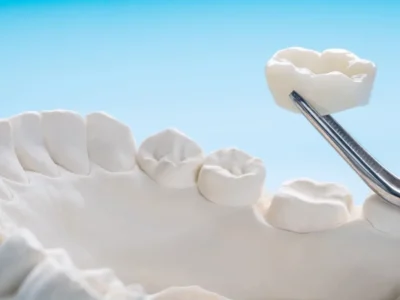
Lost Fillings or Crowns
A lost filling or crown may not always be urgent, but it can become one if:
- the exposed tooth is painful
- there is sharp sensitivity
- the area becomes irritated or swollen
Temporary solutions may provide short-term relief, but professional repair is important to protect the tooth.
When It May Not Be an Emergency
Some dental issues can wait for a regular appointment, including:
- minor tooth sensitivity
- small chips without pain
- mild gum irritation
- food stuck between teeth
If you are unsure whether your situation requires immediate care, calling a dental office for guidance can help you make an informed decision.
Should You Go to the ER for a Dental Problem?
Hospital emergency rooms are equipped to handle serious infections, trauma, or swelling that affects breathing.
However, most dental concerns are best treated by a dentist who can address the underlying cause. If swelling is severe or breathing is affected, seek immediate medical attention.
What to Do While Waiting for Your Appointment
If you are waiting to see a dental professional, you can:
- rinse gently with warm salt water
- use a cold compress for swelling
- take over-the-counter pain relief as directed
- avoid chewing on the affected side
Avoid placing aspirin directly on the gums, as it may irritate the tissue.
Acting Quickly Protects Your Oral Health
Knowing what counts as a dental emergency helps you respond appropriately and avoid complications.
Severe tooth pain, swelling, infection, trauma, or a knocked-out tooth should not be ignored. Early care can relieve discomfort and reduce the risk of more serious issues.
If you are experiencing symptoms and are unsure what to do next, reaching out to Cambridge Centre Dental Care can help you get guidance and timely care.









Comments