
 By
By 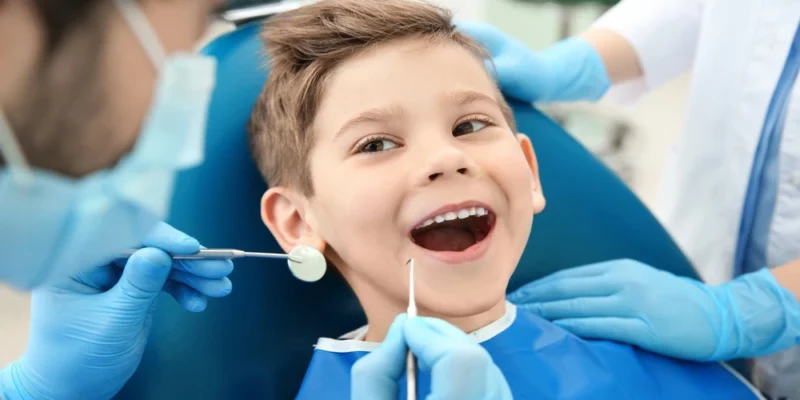
You are not imagining it. A child who clamps their mouth shut, cries in the parking lot, or suddenly says their tooth feels fine the minute you mention the dentist can turn a simple visit into a hard day. A lot of parents carry that stress quietly. You want your child to get good care from a pediatric dentist in Killeen, TX, but you also do not want every appointment to feel like a fight.
That is exactly where a pediatric dentist helps. Kids do better when dental care feels safe, familiar, and even a little playful. The best visits do not happen by luck. They happen because the office, the language, and the care style are built around children. In plain terms, 3 ways pediatric dentists make dental care fun for kids come down to comfort, connection, and age-based care that meets children where they are.
Pediatric dental care works better when fear stops running the visit
Children rarely fear only the cleaning or exam. They react to the whole experience. Bright lights, new sounds, strange tools, a chair that moves, an adult asking them to sit still with their mouth open. For some kids, that feels manageable. For others, it feels huge.
A pediatric dentist is trained to lower that pressure from the start. The waiting area often has books, toys, kid-friendly colors, or screens that distract in a good way. The dental team tends to use simple words instead of terms that sound scary. A child hears “tooth counter” instead of a sharp instrument, or “sleepy juice” for numbing gel when that language fits the moment. That shift matters because children respond to tone long before they process details.
When a child feels cornered, they resist. When they feel included, they usually soften. That is one reason fun pediatric dental visits are not about turning care into a party. They are about lowering fear enough that your child can cooperate, learn, and leave without feeling defeated.
Trusted health sources also support early, steady oral care for children. The CDC’s oral health tips for children explain that strong daily habits and regular dental care help prevent cavities, which remain one of the most common childhood health issues.
Kid friendly pediatric dentists use play and praise to build trust
Children learn through play. They also repeat what gets a calm, positive response. Pediatric dentists use both. A dentist might count teeth out loud like a game, let a child hold a mirror, or show how a suction tool works before placing it in the mouth. None of that is random. It gives the child a sense of control.
Praise is another tool, and it works best when it is specific. “You held still while I counted your back teeth” lands better than a vague “good job.” Kids hear exactly what they did right, which makes it easier to do it again next time.
This approach helps with more than nerves. It can shape daily habits at home. A child who has a positive visit is often more open to brushing, flossing, and talking about teeth without dread. Parents see that ripple effect quickly. Fewer battles at bedtime. Less panic over loose teeth. Less shame if a cavity does happen.
If you want reliable basics on brushing, flossing, and common dental issues in children, MedlinePlus child dental health resources give clear, parent-friendly guidance.
Children’s dentists tailor care to each age instead of expecting adult behavior
A toddler, a first grader, and a middle schooler do not need the same kind of visit. A pediatric dentist adjusts the pace, the explanation, and the goals based on your child’s stage. That is one of the biggest reasons a children’s dentist often feels different from a general dental office.
A very young child may need a short first visit focused on meeting the team, sitting in the chair, and opening their mouth for a quick look. An older child may be ready for X rays, sealants, or a deeper conversation about sugar, sports mouthguards, or braces. The point is not to force maturity. It is to work with the child in front of you.
This matters when problems show up early. Thumb sucking, tooth grinding, crowding, delayed tooth eruption, and cavities can all raise new worries for parents. Pediatric dentists are trained to spot these patterns in children and respond before they become bigger issues. The National Institute of Dental and Craniofacial Research offers helpful information for families on children’s oral development and prevention.
Dental care for kids feels different when the environment fits the child
| Approach | How it often feels for a child | Likely result |
|---|---|---|
| General adult focused dental setting | More formal, less familiar, higher sensory stress | More resistance, shorter patience, harder first visits |
| Pediatric dentist visit | Child centered language, playful modeling, calmer pacing | Better trust, easier cooperation, stronger long term habits |
| Home care without positive dental support | Brushing may feel like a chore or punishment | More daily conflict, delayed care, higher cavity risk |
Cavities in children are common, but they are also preventable in many cases. That is why the right environment matters so much. A child who learns that dental care is predictable and safe is more likely to keep up with visits and less likely to avoid care until pain forces the issue.
Small changes before the visit can make the appointment easier
Use simple, neutral language. Tell your child the dentist will count and clean their teeth. Avoid promising that nothing will feel strange, because children notice when that is not true. Calm honesty builds trust faster than forced cheer.
Practice at home through pretend play. Take turns being the dentist and the patient. Count teeth with a toothbrush. Let your child look in a mirror and open wide. Familiar actions lower stress because the appointment no longer feels brand new.
Schedule with your child’s rhythm in mind. Tired, hungry children struggle more. Morning visits often go better for younger kids, especially before naps are missed and patience runs out. Bring comfort items if your child relies on them. That is not spoiling them. It is preparation.
Good pediatric dental care helps kids feel capable, not ashamed
Most children do not need a perfect visit. They need a visit that ends with trust still intact. That is the real value behind pediatric dentist care built for kids. It turns a stressful task into something manageable, and over time, that can change how your child feels about dental health for years.
If your child has been anxious, resistant, or simply overwhelmed by past appointments, you are not failing and your child is not difficult. The setting may just need to fit them better. A pediatric dental office that uses play, praise, and age-based care can make that shift feel possible.












Comments