
 By
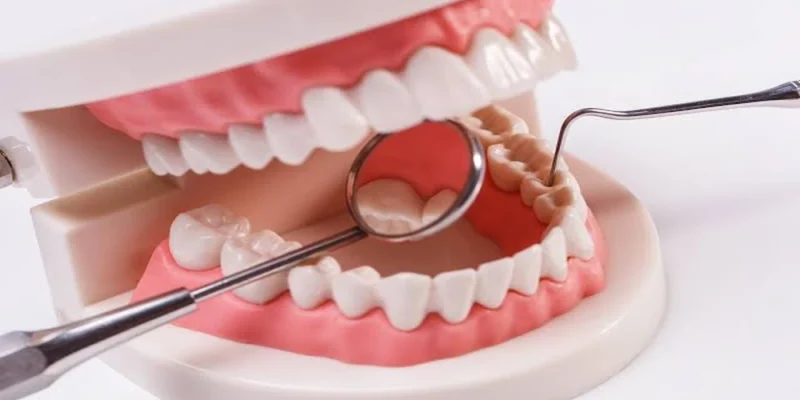
You may have noticed it slowly. A missing tooth changed the way you chew, then the way your smile sits, and over time your face started to look a little different in the mirror. That shift can feel unsettling because it is not only about teeth. It is about support, balance, and the shape of your face. For patients seeking a dentist in Skokie, IL, understanding How Implant Dentistry Helps Preserve Natural Facial Structure comes down to one central fact. When a tooth is lost, the jawbone in that area no longer gets the stimulation it needs, and bone loss can follow.
That is why replacing a missing tooth is often about more than appearance. Dental implants act like artificial tooth roots, helping support the bone and the soft tissues above it. A bridge or denture may restore part of your smile, but an implant can help preserve the structure underneath. For many people, that means a fuller facial profile, better bite support, and less collapse around the mouth over time.
Missing Teeth Change More Than Your Smile
Your tooth roots do quiet work every day. When you bite and chew, pressure travels through the roots into the jawbone. That pressure tells the bone to stay active and strong. Once a tooth is gone, that signal weakens. The body starts to resorb bone in the empty area because it no longer sees a reason to maintain the same amount of tissue there.
This is where the face can begin to change. Cheeks may look flatter. Lips can lose some support. The lower part of the face may seem shorter or more sunken. You might hear people say they look older after tooth loss, and this is often why. It is not vanity. It is anatomy.
A single missing tooth can cause a local problem, but several missing teeth can affect your whole bite. Nearby teeth may shift into the open space, your bite can become uneven, and the strain on your jaw joints may increase. The issue builds on itself. One gap turns into movement, bone loss, and changes in the way your face rests.
Implant Dentistry Supports Bone and Facial Contours
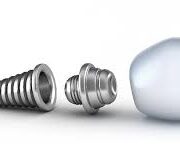
Implant dentistry for facial structure works differently from options that sit only above the gums. A dental implant is placed into the jawbone, where it fuses with the bone during healing. That bond allows the implant to function much like a natural root. The result is support from the inside out.
This matters because the jawbone holds the framework of the lower face. When the bone stays stronger, the overlying tissues have better support. That can help maintain the natural contours around the mouth and cheeks. It can also improve stability when you speak and chew, which affects how your face moves and rests during the day.
Implants are medical devices, so planning matters. The FDA offers a useful overview of dental implants and what you should know, including benefits, risks, and long term care. Materials have also improved over time, which has helped expand treatment options and performance. Research supported by the National Institute of Dental and Craniofacial Research has advanced dental materials used in modern care.
Not everyone is a candidate for an implant on the first visit. If bone loss has already happened, bone grafting may be needed before placement. That can sound like a setback, but it is often the step that makes a stable result possible. The goal is not speed at any cost. The goal is support that lasts.
Dental Implants and Other Tooth Replacement Options Compare Differently
Preserving facial structure with dental implants is one reason many people choose them, but it helps to see how they compare with other treatments. Each option has a place. The difference is what happens below the gumline.
| Option | Replaces Visible Tooth | Supports Jawbone | Effect on Nearby Teeth | Facial Structure Impact |
|---|---|---|---|---|
| Dental implant | Yes | Yes, by acting like a root | Usually leaves nearby teeth untouched | Best support for maintaining natural contours |
| Dental bridge | Yes | No direct bone stimulation at missing tooth site | Often requires reshaping adjacent teeth | Restores appearance, but does not prevent bone loss underneath |
| Removable denture | Yes | Limited or no direct bone support | No drilling of adjacent teeth in many cases | May restore lip support, but bone can continue to shrink over time |
If you have ever seen someone struggle with a loose denture, you have seen this problem in real life. As the jawbone shrinks, the denture fit changes. That can lead to sore spots, slipping, and a sunken look around the mouth. Implant supported options can improve stability because they anchor to the bone rather than resting only on the gums.
A bridge can be a good treatment in the right case, especially when timing or budget is tight. Still, it does not replace the root. That means the jawbone in the gap may continue to change even if the space looks filled from the outside.
General and Cosmetic Dentist Care Starts With Careful Planning
A good treatment plan looks at your bone levels, gum health, bite, medical history, and goals. This is where a general and cosmetic dentist can help connect function with appearance. You are not choosing between health and looks. In many cases, they support each other.
If you are missing a front tooth, the cosmetic side is obvious. You want the replacement to look natural. If you are missing a back tooth, it can be tempting to wait because the gap is harder to see. Back teeth still matter. They carry heavy chewing forces and help keep the bite balanced, which affects the whole system over time.
Three Steps You Can Take Right Away
Schedule an evaluation before more bone is lost. Timing matters. The longer a space stays empty, the more likely the bone is to shrink. Even if you are not ready to start treatment, an exam and imaging can show what is happening now.
Ask which option protects the bone, not just the smile. A replacement that looks fine at first may not support the jaw underneath. Ask how each option affects bone levels, nearby teeth, and your facial profile over the next several years.
Get clear on the full treatment path. You may need grafting, healing time, or a temporary restoration before the final tooth is placed. Knowing the sequence helps you plan financially and emotionally, and it lowers the stress of surprises.
Protecting Your Smile Also Protects Your Face
Tooth loss can change the way you look and feel, often more than people expect. The good news is that replacing missing teeth early can do more than close a gap. Dental implant treatment can help preserve the bone that supports your natural facial shape, giving you a stronger foundation for both function and appearance.
If you have started to notice changes in your bite, your profile, or the support around your mouth, now is a good time to explore your options with a dental professional. The right plan can help you protect what is still healthy and rebuild what has been lost.




Comments