
 By
By 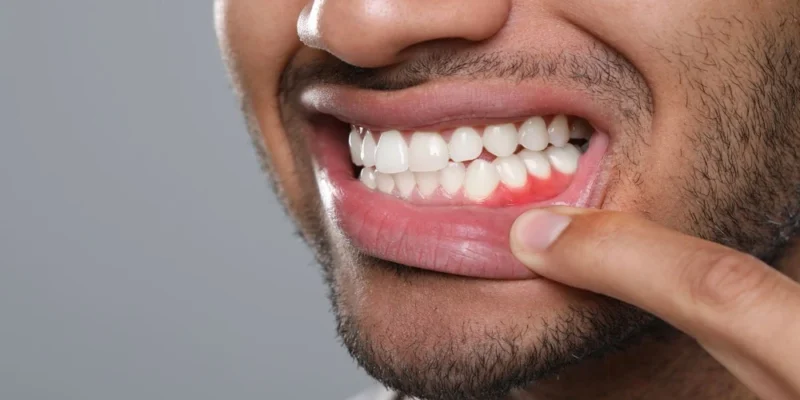
You might be feeling pulled in two directions right now. On one hand, you want straighter teeth, a better bite, and the confidence that can come with orthodontic care from an orthodontist in Chicago, IL. On the other, you may have noticed bleeding gums, tenderness, or puffiness, and now you are wondering whether those issues could affect your treatment. That concern is fair. Gum health is not a side issue during orthodontic care. It shapes comfort, timing, and results. The short version is simple. Healthy gums help teeth move in a safer, more predictable way, while inflamed or infected gums can slow progress and raise the risk of setbacks.
If that feels frustrating, you are not alone. Many people think braces or aligners are only about teeth. Then treatment begins, and they realize the gums are part of the foundation. Because of this, The Role Of Gum Health In Orthodontic Outcomes matters more than most people expect.
Why do healthy gums matter so much during orthodontic treatment?
Teeth do not move through the mouth by themselves. They move through bone, and that movement depends on support from the surrounding gum tissue. When your gums are healthy, your orthodontist can guide tooth movement with more confidence. When your gums are irritated, swollen, or infected, the picture changes.
Plaque can build up more easily around brackets, wires, and even clear aligner attachments. If that plaque stays in place, it can irritate the gums and lead to gingivitis. If it gets worse, it can develop into periodontal disease, which affects the tissues and bone that hold teeth in place. The CDC explains gum disease and its warning signs clearly, including redness, swelling, bleeding, and bad breath that does not go away.
So, where does that leave you if you are already in treatment or thinking about starting? It means gum care is not separate from orthodontics. It is part of the treatment plan. An orthodontist may need to pause, adjust, or delay care if your gums are not stable enough to support tooth movement.
What can happen if gum disease shows up during braces or aligners?
This is where the stress tends to build. You are already making a time and money commitment, and now there is another layer to think about. If your gums are inflamed, your teeth may feel more sore, cleaning may become harder, and progress may not follow the timeline you expected. In more serious cases, gum disease can cause gum recession, bone loss, and tooth mobility. That is not meant to scare you. It is meant to explain why early attention matters.
Imagine two patients with the same alignment issue. One keeps up with brushing, flossing, and regular cleanings. The other struggles to clean around brackets and ignores bleeding gums for months. Their treatment paths may look very different. The first patient is more likely to stay on schedule. The second may need extra hygiene visits, gum treatment, or changes to the orthodontic plan.
That is why gum health and braces results are closely linked. The straighter smile you want depends on the condition of the tissue supporting each tooth.
Research and public health guidance keep pointing to the same message. Gum disease often starts quietly. The NIH notes in its guidance on not ignoring gum disease that early signs can be easy to dismiss, even though treatment is easier when problems are caught sooner.
How does good periodontal health support better orthodontic outcomes?
When your gums are firm, pink, and not bleeding, your orthodontist has a more stable base to work with. That can mean more predictable tooth movement, fewer interruptions, and a lower risk of complications after treatment ends. It also helps with retention, because teeth are more likely to stay where they belong when the supporting tissue is healthy.
This is one reason many practices look at more than crowding or bite problems during an exam. They also check the gums carefully. Periodontal health in orthodontics is not just a technical phrase. It is a practical one. It affects whether treatment starts now, later, or alongside gum care.
What should you watch for during orthodontic care?
Some signs deserve attention right away, even if they seem minor at first. Bleeding when you brush or floss, swollen gums, tenderness, persistent bad breath, gum recession, or teeth that feel loose should not be brushed off. With braces or aligners, it is easy to assume irritation is normal. Some mild soreness can be. Ongoing gum symptoms are different.
| Sign | What it may mean | Why it matters during orthodontics |
|---|---|---|
| Bleeding while brushing or flossing | Early gum inflammation | Can worsen if plaque builds around appliances |
| Red or swollen gums | Gingivitis or irritation | May make treatment less comfortable and harder to manage |
| Gum recession | Loss of gum tissue support | Can affect appearance and long term tooth stability |
| Loose feeling teeth | Possible bone or support issues | Needs prompt review before tooth movement continues |
| Bad breath that does not improve | Bacteria buildup or gum infection | May point to a deeper hygiene problem during treatment |
What can you do right now to protect your gums and your smile?
1. Treat bleeding gums as a signal, not a nuisance.
If your gums bleed often, do not assume that is normal because you have braces or aligners. Make an appointment with your dentist or orthodontist and describe what you are noticing. Early gum problems are usually easier to correct than advanced ones.
2. Clean with more intention, not just more effort.
Brush along the gumline carefully, floss or use tools your provider recommends, and clean around brackets, wires, or aligner attachments every day. If you wear aligners, clean them well and avoid putting them back over unbrushed teeth. Small habits matter because plaque around the gums can build quickly.
3. Keep both orthodontic and dental visits on schedule.
It can be tempting to focus only on adjustment appointments, especially when life gets busy. But routine cleanings and gum checks are part of protecting your result. A general dentist and an orthodontist often work best as a team, especially if there are early signs of gum trouble.
Can you still have successful orthodontic treatment if your gums need help first?
In many cases, yes. The key is timing and coordination. If gum inflammation is mild, improving home care and getting a professional cleaning may be enough to get things back on track. If the problem is more advanced, your providers may want to stabilize the gums before moving teeth further. That pause can feel disappointing, but it often protects the outcome you are paying for.
Orthodontic treatment works best when the foundation is healthy. Straight teeth look better and function better when the gums around them are healthy too.
If you have been worried that gum symptoms could affect your treatment, trust that instinct and get them checked. A small concern today is often much easier to handle than a larger one later. Paying attention now can protect your comfort, your timeline, and your long term result.
















Comments