
 By
By 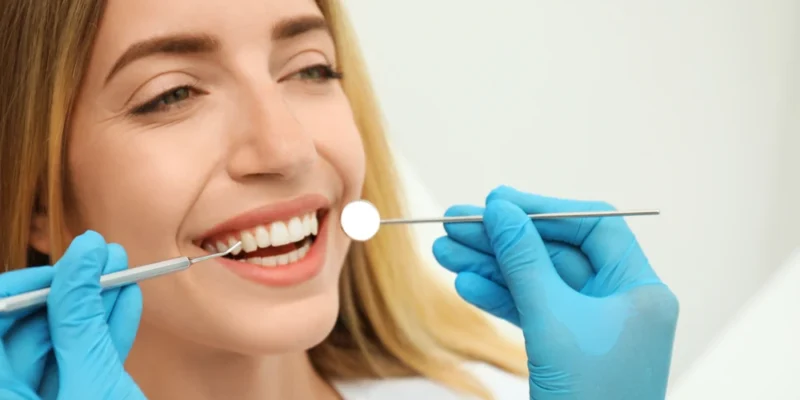
You might be feeling torn between wanting a better smile and wanting to avoid the stress that often comes with dental visits. Maybe you have put off whitening, bonding, or veneers because the idea of discomfort felt like too much, or maybe you are trying to find a General And Family Dentist or a dentist in San Mateo who can care for both everyday needs and appearance without making anyone in your home feel uneasy. That tension is real, and it helps explain why The Rise Of Comfort First Cosmetic Dentistry In Family Practices matters right now. In simple terms, more family offices are blending cosmetic care with a gentler, more patient centered experience, so you do not have to choose between feeling calm and improving your smile.
Why are more families asking for comfort first cosmetic dental care?
For many people, cosmetic dentistry used to feel separate from regular care. Cleanings happened in one mental box, while whitening or smile repairs sat in another, often seen as optional, expensive, or stressful. Because of that split, people waited. They lived with chipped teeth, stains, worn edges, or small gaps longer than they wanted to, even when those issues affected confidence at work, in photos, or during daily conversations.
Now that pattern is changing. A comfort focused cosmetic dentistry approach in family practices is making treatment feel more approachable. Instead of treating appearance as a luxury add on, many offices are folding it into routine care, education, and prevention. If a parent mentions a worn front tooth during a checkup, or a teen asks about safe whitening, the conversation can happen in a familiar setting with a team they already trust.
So, why does comfort come first now? Part of the answer is simple. People are more open about dental anxiety, sensory issues, and time pressure. They want clear choices, fewer surprises, and care that respects both appearance and peace of mind. Public health research also shows how closely oral health ties to daily life, confidence, and overall well being. The National Institute of Dental and Craniofacial Research points to ongoing advances and challenges in oral health in America in its Oral Health in America report.
What makes a family dental practice feel more comfortable for cosmetic treatment?
Comfort is not only about whether a procedure hurts. It is also about whether you feel rushed, judged, or confused. A family practice that offers cosmetic care well usually pays attention to the whole experience. That may mean longer consultations, digital previews, numbness options, conservative treatment plans, and simple explanations about what is necessary now versus what can wait.
Think about a common situation. You notice a small chip on a front tooth. In a traditional setting, you might hear a quick list of options and prices, then leave unsure whether to act. In a comfort first setting, the discussion is often calmer. You learn whether bonding can fix it in one visit, whether the repair will affect your bite, how long it may last, and what the least invasive path looks like. That lowers stress, which often makes the decision easier.
This shift also fits a larger trend in dentistry. Many 2025 updates and research notes from the NIDCR news page reflect growing attention to patient outcomes, prevention, and better care experiences. For families, that means cosmetic choices are more often discussed as part of long term oral health, not just surface level appearance.
How does comfort first cosmetic dentistry compare with the old model?
If you are trying to decide whether this style of care is worth seeking out, it helps to compare what usually changes in real life.
| Area | Traditional Cosmetic Model | Comfort First Family Practice Model |
|---|---|---|
| First conversation | Focused on procedure and price | Focused on goals, anxiety, timing, and budget |
| Treatment planning | May lean toward bigger changes sooner | Often starts with conservative options |
| Patient experience | Can feel rushed or unfamiliar | Built around trust and ongoing relationships |
| Family convenience | Cosmetic care may require a separate provider | General care and smile improvements may happen in one office |
| Decision making | Less context for long term maintenance | Clearer discussion of upkeep, wear, and prevention |
This is where the value of a modern family cosmetic dentistry approach becomes clear. You are not only paying for a brighter or straighter looking smile. You are also gaining continuity, context, and often a lower barrier to getting started.
What practical steps can you take if you want cosmetic care without the usual stress?
1. Start with one small concern. You do not need a full smile makeover conversation on day one. Bring up one issue, such as staining, a chip, or uneven teeth. That keeps the visit grounded and helps you learn how the office communicates.
2. Ask comfort questions before you ask cosmetic questions. It is easy to focus on cost or results first, but comfort shapes the whole experience. Ask how consultations work, whether treatment can be phased, what options exist for anxious patients, and how much recovery to expect.
3. Look for care that connects appearance with long term oral health. Good cosmetic planning should not ignore your bite, gum health, or maintenance needs. A strong general dentist will explain how a cosmetic choice fits into your everyday dental health, not just how it looks in the mirror.
Where does this leave you if you have been putting off smile changes?
If you have delayed treatment because you thought cosmetic dentistry would feel too intense, too expensive, or too impersonal, you are not alone. The move toward a more supportive, lower stress model is helping many families take that first step without feeling pushed. A trusted cosmetic dentistry conversation inside a family practice can be simpler than you expect, especially when the goal is steady improvement, not perfection.
You deserve care that respects both your comfort and your confidence. If improving your smile has been sitting in the back of your mind, now may be a good time to ask your dental office how they approach cosmetic options within everyday family care.






Comments