
 By
By 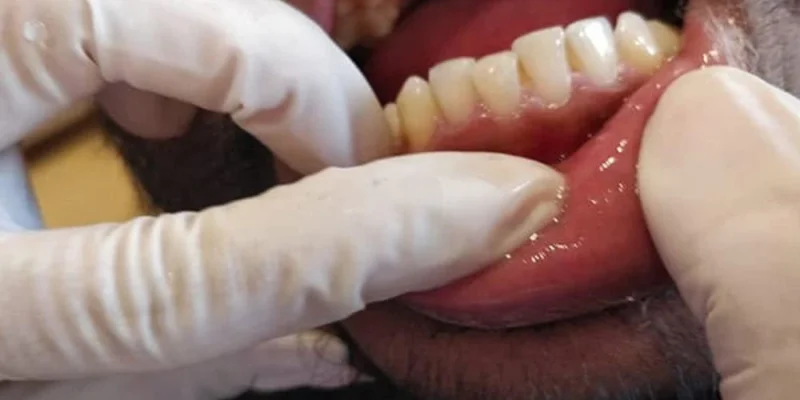
You may have noticed that eating takes more effort than it used to, your mouth feels dry by afternoon, or brushing around old dental work has become a chore instead of a habit. For many older adults, oral health changes show up slowly. A little tenderness, a loose crown, sore gums, trouble with dentures, bad breath that does not go away. None of it feels dramatic at first, but it adds up fast and starts affecting meals, sleep, speech, and confidence. A Riverside West dentist can help identify these issues early and recommend practical solutions.
That is where a family dentist can make daily life easier. Good dental care for seniors is not just about fixing cavities. It is about protecting comfort, keeping natural teeth longer when possible, adjusting dentures so they do not rub, watching for dry mouth, and catching small problems before they turn into pain or expensive treatment. How Family Dentists Help Older Adults Maintain Comfortable Smiles comes down to steady care, practical advice, and treatment that fits real life.
Family dentists support aging mouths before small issues become big ones
Aging changes the mouth in ways people do not always expect. Gums can pull back, making teeth more sensitive and more likely to decay near the roots. Medications can reduce saliva, which leaves the mouth dry and raises the risk of cavities, mouth sores, and trouble swallowing. If you wear dentures or partials, the fit can change as the shape of your gums and jaw changes over time.
These problems are frustrating because they affect basic routines. You avoid crunchy foods because chewing hurts. You stop smiling in photos because a front tooth looks worn. You wake up with a dry mouth and wonder if it is just part of getting older. Sometimes it is age, sometimes it is medication, and sometimes it is a dental issue that needs care. A family dentist looks at the whole picture instead of treating each symptom like a separate problem.
Senior dental care often focuses on prevention first. That can mean more frequent cleanings, fluoride treatments, checking the fit of dentures, reviewing home care tools that are easier on stiff hands, and watching for signs of gum disease or oral cancer. The goal is comfort and function, not perfection.
Common dental problems in older adults often have workable solutions
Dry mouth is one of the most common complaints. It can come from blood pressure medicine, allergy medicine, antidepressants, and many other prescriptions. Saliva protects your teeth and tissues, so when it drops, the mouth becomes more fragile. The National Institute of Dental and Craniofacial Research explains the causes and treatment options for dry mouth, including ways to manage symptoms and reduce damage.
Gum disease is another concern because it does not always hurt early on. Bleeding when you brush, persistent bad breath, or gums that look swollen can be early signs. Left alone, infection can loosen teeth and make chewing difficult. A family dentist can treat gum disease in stages and show you how to clean more effectively around bridges, implants, and crowns.
Then there is the simple fact that older dental work wears out. Fillings crack, crowns loosen, dentures shift, and bite patterns change. You might think, “I have lived with this for months, maybe it is not serious.” That delay is common, especially when the discomfort comes and goes. It also tends to make treatment harder later. A small chip may only need smoothing or bonding. Wait too long, and the tooth may need a crown or extraction.
The National Institute on Aging offers practical guidance on taking care of your teeth and mouth, including signs that should not be ignored. That kind of steady attention is a big part of what older adults need from a trusted dental office.
Professional dental care offers more protection than home care alone
Good brushing and flossing matter, but they cannot do everything. Home care helps control plaque, freshens breath, and supports gum health. It does not replace an exam, dental X rays when needed, oral cancer screening, or denture adjustments. Family dentist visits are where hidden decay, cracked restorations, bite changes, and early gum problems are usually found.
| Concern | Home Care Alone | Family Dentist Support |
|---|---|---|
| Dry mouth | Sipping water may ease symptoms for a short time | Reviews medication impact, checks for decay, recommends products and fluoride support |
| Bleeding gums | May improve with better brushing, may also be ignored | Identifies gum disease early and treats buildup below the gumline |
| Denture discomfort | Adhesives may hide the problem briefly | Adjusts fit, checks tissue health, looks for pressure sores or bone changes |
| Tooth sensitivity | Desensitizing toothpaste may help some cases | Finds the cause, such as root exposure, decay, cracks, or worn fillings |
| Prevention | Limited to what you can see and feel | Provides exams, cleanings, screenings, and preventive treatment based on risk |
The CDC also shares oral health tips for adults that support daily prevention. Those habits work best when they are paired with regular professional care, especially for aging adults with medical conditions, many prescriptions, or limited dexterity.
Comfortable smiles depend on practical care that fits daily life
Older adults do not need a lecture about brushing harder. They need solutions that match what their hands, budget, schedule, and health allow. A good family dental practice may suggest an electric toothbrush if gripping a manual brush is difficult, floss holders if finger movement is limited, prescription fluoride if root decay risk is high, or shorter visits if sitting through long appointments is exhausting.
This is also where family dentistry for older adults stands out. The care tends to be ongoing and personal. The dentist gets to know your health history, your old restorations, your comfort level, and the foods you avoid because of pain or poor fit. That continuity helps treatment feel less overwhelming.
Three steps you can take right away
Schedule care when symptoms are still small. If your mouth burns, your denture rubs, your gums bleed, or one tooth feels different, book a visit before it turns into a bigger repair. Small treatment is usually simpler and less stressful.
Bring a full medication list to your appointment. Many oral health problems in older adults are tied to prescriptions. Your dentist needs the complete list to spot dry mouth risks, bleeding concerns, and interactions that affect treatment.
Upgrade your home routine to match your needs now. Use a soft brush, consider an electric toothbrush, clean dentures daily, and ask about fluoride rinses or dry mouth products if your mouth feels sticky or sore. The best routine is the one you can keep doing comfortably.
A comfortable smile matters at every age because comfort affects eating, speaking, resting, and feeling like yourself. The right dental care can relieve pain, prevent avoidable problems, and help you keep more of what is working well. Family dentists help older adults maintain comfortable smiles by paying attention to the details that shape daily life and by offering care that is steady, practical, and easier to live with.





Comments