
 By
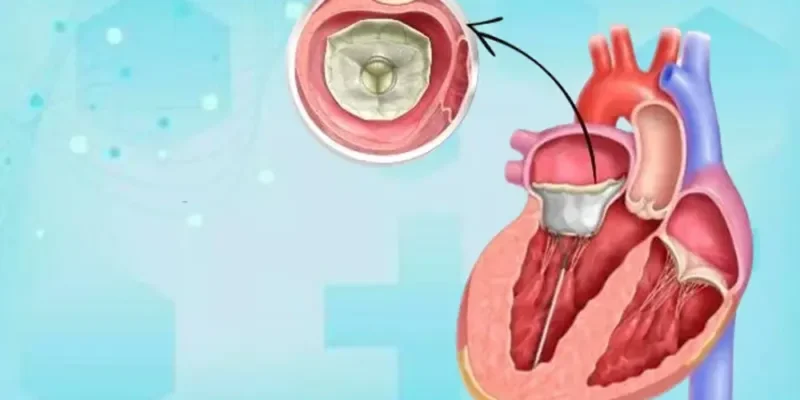
The single biggest item on a TAVR bill is the valve, and it is also the item most patients know least about. Two patients in the same hospital, on the same day, with the same doctor, can receive quotes several lakh apart simply because different valve types suit their anatomy. This article explains the main transcatheter valve designs, how Indian-made valves have changed the market, and what to ask so that you understand what you are paying for.
Why the valve dominates the bill
In most hospitals, TAVR cost in India is quoted roughly in the range of ₹18-30 lakh all-inclusive, and the valve itself commonly accounts for more than half of that. The rest is the cath lab, the delivery system and accessories, anaesthesia, the heart team, imaging, hospital stay and consumables. These figures are approximate, vary by city and hospital tier, and the exact estimate must come from the treating centre.
Two main designs: balloon-expandable and self-expanding
Balloon-expandable valves
The valve is crimped onto a balloon catheter, positioned inside the diseased aortic valve and expanded by inflating the balloon. The frame is short and sits mainly within the native valve ring.
- Typically chosen when the anatomy is straightforward and precise positioning is a priority
- A low frame height can be an advantage when the coronary artery openings sit close to the valve
- Examples include imported balloon-expandable valves and an Indian-made balloon-expandable valve now widely used in India
Self-expanding valves
The valve is made of a nickel-titanium alloy (nitinol) that springs open on its own as it is released from the catheter. The frame is taller and extends above the native valve.
- Can be partly repositioned or recaptured during deployment in some designs
- Often favoured in smaller valve rings and in some anatomies with heavy calcium
- Some studies suggest a somewhat higher chance of needing a pacemaker afterwards, which is a decision point in itself
Neither design is “better” across the board. The heart team chooses on the basis of your CT scan: the size of the valve ring, the pattern of calcium, the height of the coronary openings and the shape of the aorta. A valve that does not fit well costs more in the long run through leaks or complications.
Indian-made versus imported valves
For roughly the first decade of transcatheter valves in India, every device was imported, priced in dollars or euros and subject to import duty, which kept costs high. An Indian-made transcatheter valve, developed and manufactured domestically, is now in wide use and has pushed the lower end of package prices down. The story of this shift is covered in India’s TAVI as a global trend.
As a rough guide:
- Packages built around an Indian-made valve are commonly quoted toward the lower end of the overall range.
- Packages with imported valves tend to sit in the middle to upper part of the range, with newer-generation versions at the top.
Points to weigh with your cardiologist, not on price alone:
- Evidence – imported valves have longer follow-up data; the Indian-made valve has growing trial data, including randomised comparisons. Ask what data exists for your type of anatomy.
- Sizing options – some valve lines offer intermediate sizes, which can matter in a borderline ring size.
- Durability – all current transcatheter valves are tissue valves and will wear over time. See durability of the TAVI valve for what is known so far.
- Future valve-in-valve – if you are younger, the team may prefer a design that leaves room for a second valve inside it years later.
Other technology choices that move the price
- Access route – transfemoral (from the groin) is standard and the least expensive. Alternative routes (subclavian, carotid, transapical) need more surgical input and raise the cost.
- Cerebral protection device – a filter placed in the neck arteries during the procedure to catch debris; optional, adds device cost, used selectively.
- Pre-dilation and post-dilation balloons – extra balloons add consumable cost; the need depends on calcium.
- Imaging – a pre-procedure gated CT angiogram is essential for sizing and is sometimes billed separately from the package.
- Anaesthesia – many centres now use conscious sedation rather than general anaesthesia, which can shorten the stay and modestly reduce cost.
- Pacemaker – if a conduction block occurs after the valve, a permanent pacemaker is a separate implant with its own cost.
A broad picture of risks, benefits, recovery and transcatheter aortic valve replacement cost is useful background before you compare quotes.
Questions to ask about the valve in your quote
- Which valve brand and model is included, and why was it chosen for my CT findings?
- Is an Indian-made alternative suitable for me, and how would the quote change?
- Does the package include the delivery system, balloons, closure devices and CT?
- If a pacemaker or a second valve is needed, what would that add?
- Is the valve size confirmed, or could it change on the day?
Comparing two itemised estimates is far more useful than comparing two headline totals, because a cheaper headline may simply exclude items you will be billed for later.
A note on insurance
Insurers usually ask for the valve brand and invoice; some policies cap implant costs, so the valve choice can affect how much is reimbursed. Check your policy’s implant sub-limit before finalising the valve. The overall TAVR cost in India is easier to manage once the valve choice, the package contents and the insurance limit are all written down side by side.
When not to delay
Severe aortic stenosis with symptoms can worsen quickly. Fainting, chest pain on exertion or breathlessness at rest should prompt urgent review with your cardiologist, and sudden collapse or severe breathlessness is an emergency.
Disclaimer: This article is for general information only and is not a substitute for medical advice. Please consult a qualified doctor before deciding on any valve procedure or device.







Comments