
 By

You sit down for a filling, a crown, veneers, or a smile upgrade, then hear the dentist in Picayune mention an old root canal. That can make your stomach drop a little. You may already be thinking about extra cost, more appointments, or whether the tooth is still strong enough to keep. That reaction makes sense. A tooth with prior endodontic treatment often needs a different plan, not because it is doomed, but because it has a history that changes how a dentist restores and protects it.
General and cosmetic dentists look at existing root canals with two goals in mind. They want the tooth to stay healthy, and they want any new work to last. That means checking the seal of the old treatment, the amount of tooth left, the bite forces on that tooth, and whether there are signs of hidden infection or cracks. In many cases, the tooth can still support excellent functional and cosmetic results. The plan just has to respect what the tooth has already been through.
Existing root canals change how dentists approach restorations
A root canal removes infected or damaged pulp from inside the tooth, then the space is cleaned and sealed. If you want a plain language review of the procedure, MedlinePlus explains root canal treatment clearly. Once that treatment is done, the tooth no longer has living pulp tissue, but it still depends on the surrounding tooth structure, bone, gum support, and a tight restoration to stay useful.
This is why planning dental work around prior root canals starts with structure, not looks. A front tooth with a small old root canal and plenty of enamel may handle cosmetic bonding or a veneer very differently than a back molar that lost half its cusps before the root canal was ever done. The second tooth may need a crown, build-up, or even a post if there is not enough tooth left to hold the restoration securely.
The stress point is often hidden. You may feel fine, the tooth may not hurt, and the old crown may look acceptable, yet an X ray can show a gap at the edge, decay under the crown, or a dark area near the root tip. If a cosmetic treatment covers that without fixing the underlying issue, the new work can fail early.
Cosmetic plans depend on the health and strength of the treated tooth
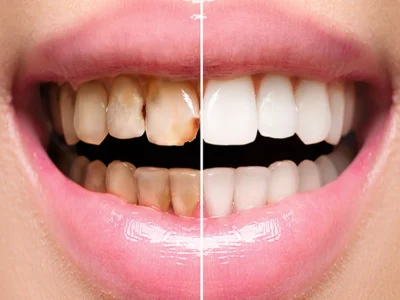
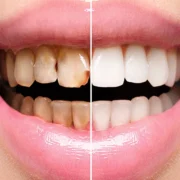
Cosmetic dentistry is not separate from tooth health. A dentist planning whitening, bonding, veneers, or crowns has to ask whether the root canal tooth is stable enough for the change. Teeth that had root canal therapy can darken over time, especially front teeth. That can affect shade matching. If one tooth is darker from the inside, surface whitening alone may not blend it with nearby teeth.
Sometimes the answer is internal bleaching, a new crown, or a veneer. Sometimes the better answer is to leave that tooth alone and adjust the overall cosmetic plan around it. This is where restoring teeth with previous root canal treatment becomes more than a technical issue. It is also about avoiding work that looks good for six months and then starts to chip, leak, or discolor.
Back teeth bring a different problem. A root canal treated molar often survives best with full coverage because chewing forces are high and the tooth is more likely to crack. The patient may want the least invasive option, and that instinct is understandable, especially if cost is already a concern. But saving money on a large filling instead of a crown can turn into a fracture that makes the tooth impossible to save.
Detailed patient guidance from the University of Bristol on root canal treatment also reflects this basic truth. The treatment inside the tooth is only part of the story. The final restoration matters just as much.
General and cosmetic dentists check specific risk points before new treatment
When dentists evaluate a tooth with a past root canal treatment, they usually focus on a short list of practical issues. Is there pain with biting. Is there swelling, gum tenderness, or a pimple on the gum. Does the X ray show a healthy area around the root tip. Is the old crown or filling leaking. Is there enough remaining tooth to support a new restoration. Is the tooth cracked.
A cracked root changes everything. So does recurrent decay under an old crown. A root canal that was technically acceptable years ago may still need retreatment today if bacteria got back in through a broken filling or open margin. In that case, the cosmetic or general dental work is delayed until the foundation is reliable.
| Finding | What it can mean | Common planning response |
|---|---|---|
| No pain, solid tooth structure, healthy X ray | The tooth is often stable for routine restorative or cosmetic work | Proceed with crown, bonding, veneer, or replacement filling as planned |
| Darkened front tooth after prior endodontic treatment | Internal color change may not respond well to surface whitening | Consider internal bleaching, veneer, or crown based on structure and shade goals |
| Large loss of tooth structure in a molar | Higher fracture risk under chewing pressure | Crown or onlay is often preferred over a large direct filling |
| Shadow around root tip on X ray or symptoms with biting | Possible persistent infection or failed seal | Evaluate for retreatment or specialist referral before final restoration |
| Crack extending below the gumline | Long term prognosis may be poor | Discuss whether the tooth is restorable before investing in cosmetic work |
Clear next steps help you avoid redoing expensive work
1. Ask for a foundation first review.
If a dentist is proposing crowns, veneers, or major replacement work, ask whether each root canal tooth has been checked for seal, structure, and fracture risk. This keeps the conversation grounded in longevity, not just appearance.
2. Get imaging and photos if the plan is extensive.
An X ray, and sometimes a 3D scan, can show whether an old root canal is healthy enough to build on. In cosmetic cases, photos also help explain color mismatch, gum levels, and why one tooth may need a different solution than the one beside it.
3. Ask what happens if the old treatment fails later.
You want to know whether a new crown or veneer would need to be removed for retreatment, whether the tooth can be accessed through the restoration, and how that risk affects material choice. A good plan accounts for the future without turning every tooth into a worst case scenario.
Thoughtful planning protects both your smile and your budget
An existing root canal does not automatically limit your options. It does mean the tooth needs a smarter plan. General and cosmetic dentists who take time to check the old treatment, the remaining tooth structure, and the way that tooth handles force are protecting more than the final look. They are protecting your time, comfort, and money.
If you are considering new dental work and have teeth with prior root canals, ask for a treatment plan that explains what is healthy, what is uncertain, and what should be fixed first. That kind of clarity makes the next step easier.








Comments