
 By
By 
You notice it in small ways first. Your child asks for water at night, their lips keep cracking, they complain that food feels hard to chew, or their breath seems stronger than usual even after brushing. Dry mouth in children can look minor from the outside, but it can make eating, sleeping, talking, and brushing feel like a chore. It also raises the risk of cavities, gum irritation, and mouth sores, which is why a pediatric dentist often pays close attention to saliva and mouth comfort during routine visits, and may also discuss when emergency pediatric dental care in Riverside, CA could be needed.
If your child is prone to dryness, you are not overreacting by paying attention. Saliva protects teeth, helps wash away food, balances acids, and keeps soft tissues comfortable. When there is not enough of it, the whole mouth feels off. The good news is that a few steady habits can help support saliva flow and protect your child’s teeth while you figure out what is driving the dryness.
Dry Mouth in Children Affects More Than Comfort
Children do not always say, “My mouth feels dry.” They may say their tongue feels sticky, their throat hurts in the morning, or certain foods burn. Some start avoiding crunchy foods, others sip constantly during class, and some become resistant to brushing because the inside of the mouth feels tender. That pattern matters.
Dryness can come from mouth breathing, allergies, certain medications, fever, dehydration, or long stretches without water. For some children, it shows up during sports seasons or when congestion keeps them sleeping with their mouth open. For others, it appears after starting a new medicine. The National Institute of Dental and Craniofacial Research explains that dry mouth can increase tooth decay and make it harder to chew, swallow, and speak. You can read more in this guide on dry mouth.
That is why mouth moisture support for kids is not just about comfort. It is about protecting enamel, reducing irritation, and making normal daily habits easier to keep up with.
Hydration Habits Support Saliva Flow Throughout the Day
Water is the first place to start, but timing matters as much as quantity. A child who drinks very little during school hours and then gulps water at night may still spend most of the day with a dry mouth. Keeping a water bottle nearby, offering water after active play, and sending water instead of sugary drinks can make a real difference.
Some drinks make dryness worse. Sodas, sports drinks, and acidic juices can irritate tissues and feed cavity causing bacteria. If your child likes flavored drinks, try keeping them occasional and serving plain water most of the time. Children who wake with a dry mouth often benefit from a drink of water before bed and another by the bedside, especially if they tend to breathe through the mouth at night.
Saliva Friendly Foods and Chewing Can Improve Mouth Comfort
Chewing helps stimulate saliva. Crisp fruits and vegetables, meals that require actual chewing, and sugar free gum for older children who can safely use it may help the mouth feel less dry. Soft processed foods slide down easily, but they do not do much to wake up saliva flow, and they often cling to teeth longer.
If your child says spicy, salty, or acidic foods sting, believe them. A dry mouth is often a sensitive mouth. Serve cooler, softer foods when irritation is high, and avoid foods that seem to trigger discomfort. A child who is already reluctant to eat can quickly start associating meals with pain, and that can become its own problem.
Gentle Oral Care Protects Teeth When Saliva Is Low
When there is less saliva, plaque sticks around longer and acids are not neutralized as well. Brushing twice a day with fluoride toothpaste matters even more. A soft toothbrush helps if the mouth feels sore. Alcohol based rinses can sting and add to the dryness, so check labels and keep oral care simple and gentle.
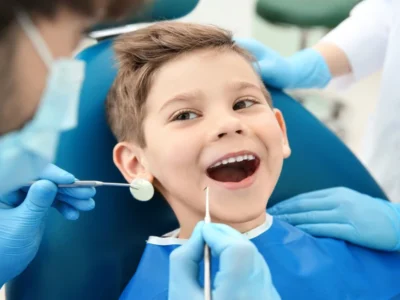
Routine dental visits also matter here. A pediatric dental provider can look for early enamel changes, dry tissue, mouth breathing patterns, and decay that may develop faster in a dry mouth. This is one reason many parents seek help for children with dry mouth before there is a visible cavity.
Mouth Breathing and Medications Often Keep the Cycle Going
If your child is doing all the right things and still seems dry, look at the bigger picture. Chronic nasal congestion, enlarged tonsils, seasonal allergies, and some medications can keep the mouth dry day after day. Antihistamines and other common medicines sometimes reduce saliva. A child who snores, sleeps with an open mouth, or wakes with a very dry tongue may need more than home care alone.
The NIDCR also offers practical oral health information for families in its section for children, which can help you spot patterns worth bringing up at a dental or medical visit.
Home Care and Professional Support Work Best Together
| Approach | What It Helps With | Limits to Know |
|---|---|---|
| More frequent water intake | Improves comfort, supports saliva, rinses food debris | May not solve dryness caused by medication or mouth breathing |
| Saliva friendly foods and chewing | Stimulates natural saliva flow during meals and snacks | Less useful if the child has pain, congestion, or poor appetite |
| Gentle fluoride based oral care | Protects enamel and lowers cavity risk | Does not address the root cause of ongoing dryness |
| Pediatric dentist evaluation | Checks for decay, tissue irritation, bite issues, and mouth breathing signs | May need coordination with a pediatrician if medicine or airway issues are involved |
Three Steps You Can Take Right Away
Track the pattern. Write down when your child seems driest. Morning, school hours, sports practice, bedtime, after medicine, or during allergy season. That record often reveals the cause faster than memory alone.
Adjust the daily routine. Offer water at set times, swap sugary or acidic drinks for water more often, and keep meals simple if the mouth feels sore. Use a soft toothbrush and fluoride toothpaste, and skip anything that stings.
Book a pediatric dental visit if dryness keeps happening. Ongoing dryness deserves a closer look, especially if your child has bad breath, cavities, mouth sores, trouble eating, or mouth breathing at night. A pediatric dentist can help protect teeth and guide the next steps.
Small Changes Can Bring Real Relief
A dry mouth can make a child cranky, uncomfortable, and more cavity prone, and it can leave you wondering whether you are missing something. You are not. Paying attention early helps. With steady hydration, saliva supporting habits, gentle oral care, and the right professional support, many children feel better and keep their smiles healthier. If your child is showing signs of dryness that do not let up, schedule a visit with a pediatric dentist and get a clearer plan in place.











Comments